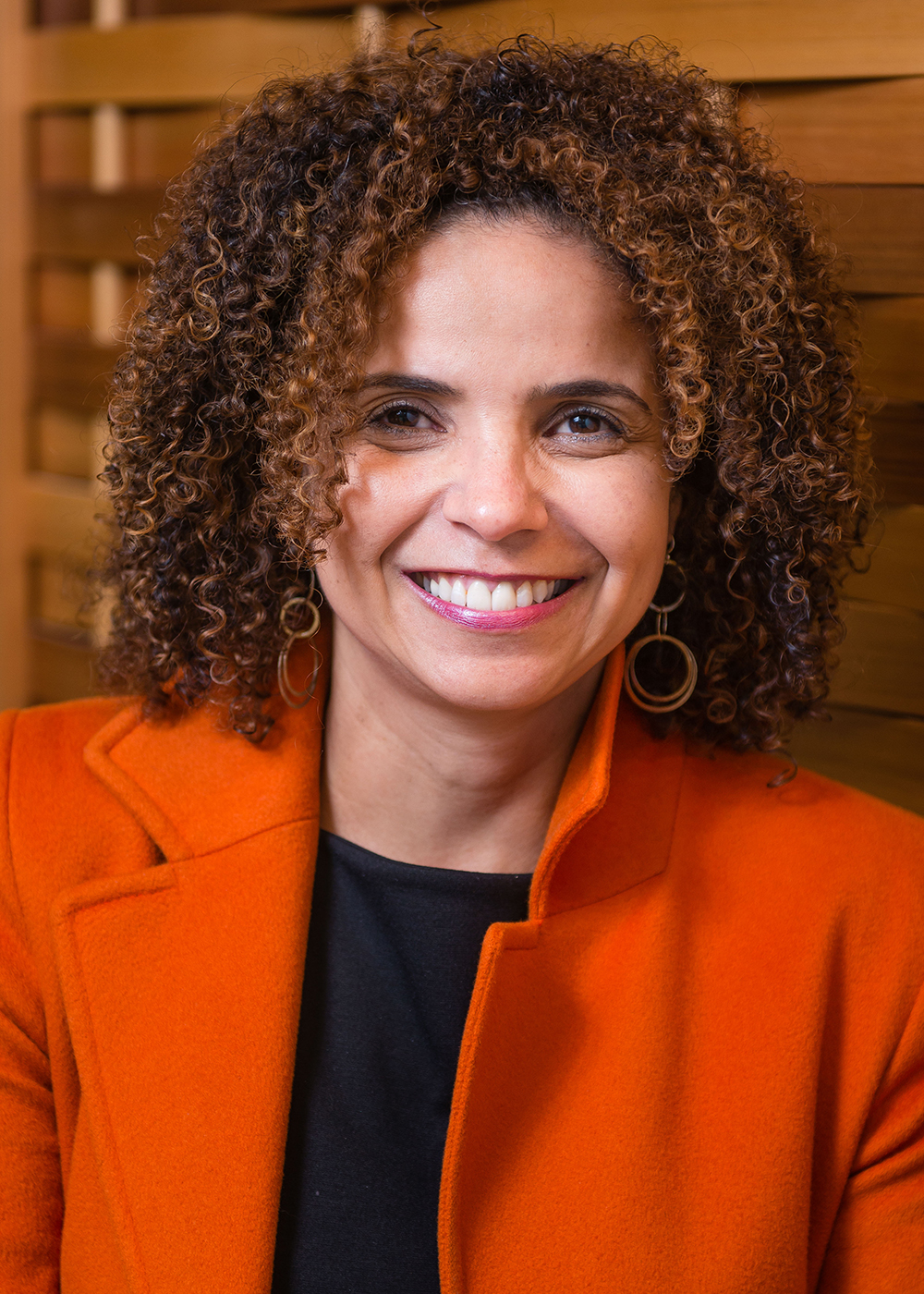
Elizabeth Shaffer

Assistant Professor
phone 604 822 2587
location_on IKBLC 478

About

Elizabeth Shaffer is a critical archival theorist and Assistant Professor at the University of British Columbia’s School of Information. Her research investigates the conditions under which archival knowledge becomes possible and asks how Black, Caribbean, and Indigenous epistemologies reshape how archives produce, authorize, and contest knowledge.

Working at the intersections of archival studies, Black studies, Caribbean thought, and information studies, Elizabeth develops archival theory that begins from Black, Caribbean, and Indigenous epistemologies rather than treating them as objects of archival recognition. Her scholarship explores how these intellectual traditions reveal the possibilities, and the limits, of foundational archival concepts such as evidence, authority, memory, preservation, and knowledge.

Elizabeth’s research is grounded in long-term collaborations with archival institutions, cultural organizations, and Caribbean communities in diaspora and the Caribbean. She understands these partnerships not as sites where archival theory is applied, but as places where many of the theoretical questions that animate her work first emerge.

Before joining the UBC iSchool, Elizabeth served as Executive Director of the UBC Indian Residential School History and Dialogue Centre, where she led the development of its digital collections infrastructure. She previously served as Director of Collections at the Vancouver Holocaust Education Centre, overseeing initiatives in digital preservation, survivor testimony, and collections stewardship in support of anti-racism education and public history.

Elizabeth lives, works, and learns on the traditional, ancestral, and unceded territories of the xwməθkwəy̓əm (Musqueam), Skwx̱wú7mesh (Squamish), and səlilwətaɬ (Tsleil-Waututh) Peoples.

Teaching


Research

My research investigates the conditions under which archival knowledge becomes possible. I examine how archives produce knowledge, whose ways of knowing they authorize, and how Black, Caribbean, and Indigenous epistemologies invite us to rethink the conceptual foundations of archival theory and practice.

Rather than approaching Black, Caribbean, and Indigenous histories as objects of archival inclusion, my work asks what becomes visible when archival theory begins from these intellectual traditions. I am interested in how ways of knowing grounded in diaspora, place, memory, relation, and lived experience reveal the possibilities, and the limits, of archival concepts such as evidence, authority, provenance, preservation, and temporality.

This research emerges through sustained collaborations with Black and Caribbean communities, archival institutions, and practices of remembering that exceed the institutional archive. Rather than treating these relationships as empirical case studies, I understand them as sites of theoretical inquiry that generate new ways of thinking about archival knowledge, memory, and justice.

My current research spans four interconnected areas:

  • Black diasporic memory and Caribbean archives, investigating archival development, cultural heritage, memory, and reparative futures through collaborative research in Grenada and across the Caribbean.
  • Archival theory and epistemology, exploring how archival concepts take shape and how they change when read alongside Black, Caribbean, and Indigenous epistemologies.
  • Digital preservation and information infrastructures, examining how technologies, standards, and preservation practices shape what can be known, remembered, and inherited, and for whom, with attention to environmental justice and sustainable information futures.
  • Memory, justice, and public scholarship, exploring archives in relation to colonialism, slavery, genocide, public policy, and ethical approaches to remembering difficult pasts.

This work is developed through AnansiLab, a collaborative research laboratory that brings together scholars, students, archivists, artists, and community partners to explore archival knowledge, memory practices, and information justice through Black, Caribbean, Indigenous, and diasporic intellectual traditions. Across its projects, AnansiLab investigates how archival theory might be reimagined by beginning from ways of knowing that have too often been positioned at its margins.


Elizabeth Shaffer

Assistant Professor
phone 604 822 2587
location_on IKBLC 478

About

Elizabeth Shaffer is a critical archival theorist and Assistant Professor at the University of British Columbia’s School of Information. Her research investigates the conditions under which archival knowledge becomes possible and asks how Black, Caribbean, and Indigenous epistemologies reshape how archives produce, authorize, and contest knowledge.

Working at the intersections of archival studies, Black studies, Caribbean thought, and information studies, Elizabeth develops archival theory that begins from Black, Caribbean, and Indigenous epistemologies rather than treating them as objects of archival recognition. Her scholarship explores how these intellectual traditions reveal the possibilities, and the limits, of foundational archival concepts such as evidence, authority, memory, preservation, and knowledge.

Elizabeth’s research is grounded in long-term collaborations with archival institutions, cultural organizations, and Caribbean communities in diaspora and the Caribbean. She understands these partnerships not as sites where archival theory is applied, but as places where many of the theoretical questions that animate her work first emerge.

Before joining the UBC iSchool, Elizabeth served as Executive Director of the UBC Indian Residential School History and Dialogue Centre, where she led the development of its digital collections infrastructure. She previously served as Director of Collections at the Vancouver Holocaust Education Centre, overseeing initiatives in digital preservation, survivor testimony, and collections stewardship in support of anti-racism education and public history.

Elizabeth lives, works, and learns on the traditional, ancestral, and unceded territories of the xwməθkwəy̓əm (Musqueam), Skwx̱wú7mesh (Squamish), and səlilwətaɬ (Tsleil-Waututh) Peoples.


Teaching


Research

My research investigates the conditions under which archival knowledge becomes possible. I examine how archives produce knowledge, whose ways of knowing they authorize, and how Black, Caribbean, and Indigenous epistemologies invite us to rethink the conceptual foundations of archival theory and practice.

Rather than approaching Black, Caribbean, and Indigenous histories as objects of archival inclusion, my work asks what becomes visible when archival theory begins from these intellectual traditions. I am interested in how ways of knowing grounded in diaspora, place, memory, relation, and lived experience reveal the possibilities, and the limits, of archival concepts such as evidence, authority, provenance, preservation, and temporality.

This research emerges through sustained collaborations with Black and Caribbean communities, archival institutions, and practices of remembering that exceed the institutional archive. Rather than treating these relationships as empirical case studies, I understand them as sites of theoretical inquiry that generate new ways of thinking about archival knowledge, memory, and justice.

My current research spans four interconnected areas:

  • Black diasporic memory and Caribbean archives, investigating archival development, cultural heritage, memory, and reparative futures through collaborative research in Grenada and across the Caribbean.
  • Archival theory and epistemology, exploring how archival concepts take shape and how they change when read alongside Black, Caribbean, and Indigenous epistemologies.
  • Digital preservation and information infrastructures, examining how technologies, standards, and preservation practices shape what can be known, remembered, and inherited, and for whom, with attention to environmental justice and sustainable information futures.
  • Memory, justice, and public scholarship, exploring archives in relation to colonialism, slavery, genocide, public policy, and ethical approaches to remembering difficult pasts.

This work is developed through AnansiLab, a collaborative research laboratory that brings together scholars, students, archivists, artists, and community partners to explore archival knowledge, memory practices, and information justice through Black, Caribbean, Indigenous, and diasporic intellectual traditions. Across its projects, AnansiLab investigates how archival theory might be reimagined by beginning from ways of knowing that have too often been positioned at its margins.


Elizabeth Shaffer

Assistant Professor
phone 604 822 2587
location_on IKBLC 478
About keyboard_arrow_down

Elizabeth Shaffer is a critical archival theorist and Assistant Professor at the University of British Columbia’s School of Information. Her research investigates the conditions under which archival knowledge becomes possible and asks how Black, Caribbean, and Indigenous epistemologies reshape how archives produce, authorize, and contest knowledge.

Working at the intersections of archival studies, Black studies, Caribbean thought, and information studies, Elizabeth develops archival theory that begins from Black, Caribbean, and Indigenous epistemologies rather than treating them as objects of archival recognition. Her scholarship explores how these intellectual traditions reveal the possibilities, and the limits, of foundational archival concepts such as evidence, authority, memory, preservation, and knowledge.

Elizabeth’s research is grounded in long-term collaborations with archival institutions, cultural organizations, and Caribbean communities in diaspora and the Caribbean. She understands these partnerships not as sites where archival theory is applied, but as places where many of the theoretical questions that animate her work first emerge.

Before joining the UBC iSchool, Elizabeth served as Executive Director of the UBC Indian Residential School History and Dialogue Centre, where she led the development of its digital collections infrastructure. She previously served as Director of Collections at the Vancouver Holocaust Education Centre, overseeing initiatives in digital preservation, survivor testimony, and collections stewardship in support of anti-racism education and public history.

Elizabeth lives, works, and learns on the traditional, ancestral, and unceded territories of the xwməθkwəy̓əm (Musqueam), Skwx̱wú7mesh (Squamish), and səlilwətaɬ (Tsleil-Waututh) Peoples.

Teaching keyboard_arrow_down
Research keyboard_arrow_down

My research investigates the conditions under which archival knowledge becomes possible. I examine how archives produce knowledge, whose ways of knowing they authorize, and how Black, Caribbean, and Indigenous epistemologies invite us to rethink the conceptual foundations of archival theory and practice.

Rather than approaching Black, Caribbean, and Indigenous histories as objects of archival inclusion, my work asks what becomes visible when archival theory begins from these intellectual traditions. I am interested in how ways of knowing grounded in diaspora, place, memory, relation, and lived experience reveal the possibilities, and the limits, of archival concepts such as evidence, authority, provenance, preservation, and temporality.

This research emerges through sustained collaborations with Black and Caribbean communities, archival institutions, and practices of remembering that exceed the institutional archive. Rather than treating these relationships as empirical case studies, I understand them as sites of theoretical inquiry that generate new ways of thinking about archival knowledge, memory, and justice.

My current research spans four interconnected areas:

  • Black diasporic memory and Caribbean archives, investigating archival development, cultural heritage, memory, and reparative futures through collaborative research in Grenada and across the Caribbean.
  • Archival theory and epistemology, exploring how archival concepts take shape and how they change when read alongside Black, Caribbean, and Indigenous epistemologies.
  • Digital preservation and information infrastructures, examining how technologies, standards, and preservation practices shape what can be known, remembered, and inherited, and for whom, with attention to environmental justice and sustainable information futures.
  • Memory, justice, and public scholarship, exploring archives in relation to colonialism, slavery, genocide, public policy, and ethical approaches to remembering difficult pasts.

This work is developed through AnansiLab, a collaborative research laboratory that brings together scholars, students, archivists, artists, and community partners to explore archival knowledge, memory practices, and information justice through Black, Caribbean, Indigenous, and diasporic intellectual traditions. Across its projects, AnansiLab investigates how archival theory might be reimagined by beginning from ways of knowing that have too often been positioned at its margins.